
Finishing varnishes for paintings

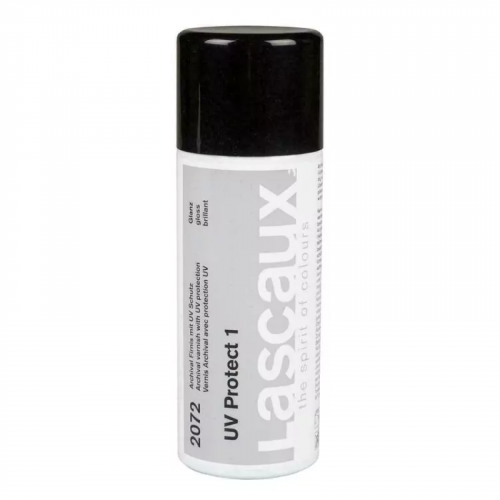


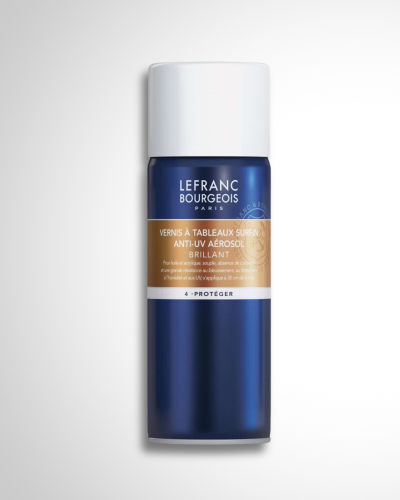


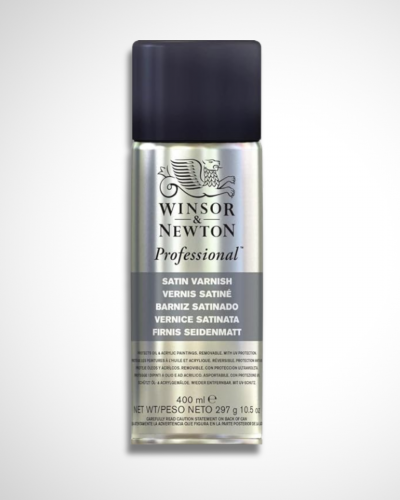

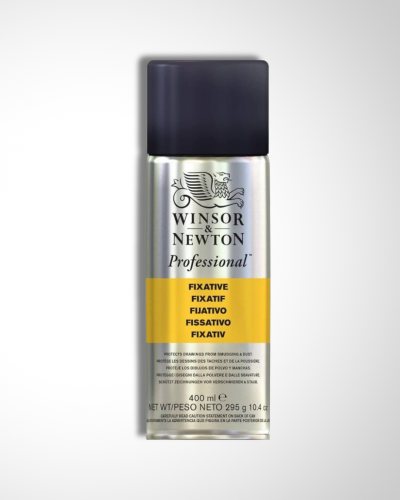



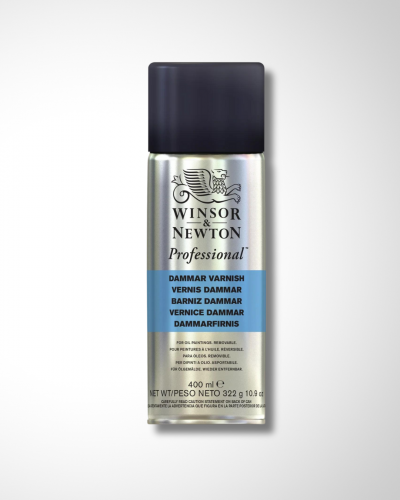
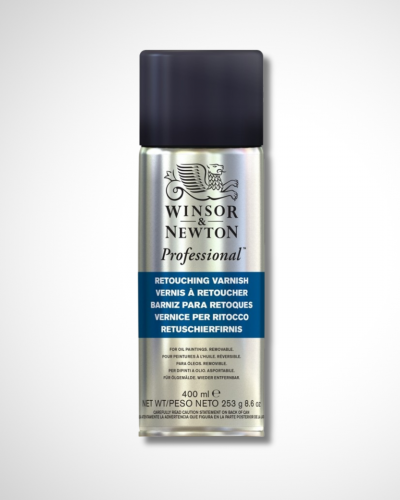



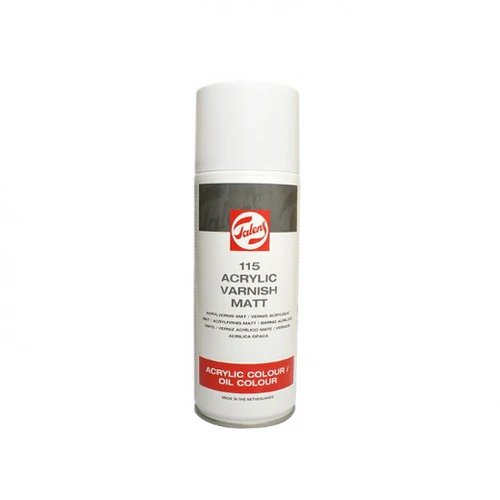


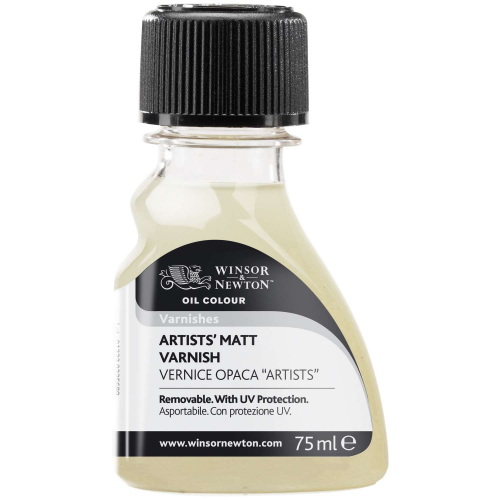


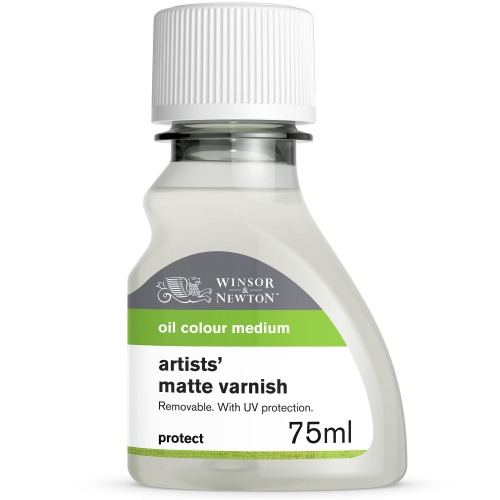


Finishing varnishes for paintings — protection and shine
A finishing varnish is a mandatory step in painting. It protects the paint layer from dust, moisture, UV light, and mechanical damage, extends the life of the artwork by decades, and gives the work a finished look. The BrushesPaints catalog features varnishes for oil and acrylic painting: matte, satin, and glossy — for different surface effects.
Why you need a finishing varnish
Fresh acrylic and oil paints darken over time, lose saturation, accumulate dust and micro-scratches. Varnish creates a transparent protective coating that preserves the original color of the paints, evens out the work's gloss, and makes care easier — a varnished painting can be wiped with a soft cloth without risk of damaging the pigment.
Types of varnishes
- Matte — absorb light, remove glare. Suitable for portraits and works where calm presentation is important.
- Satin (semi-matte) — the golden mean: a light sheen without glare. A versatile option for most paintings.
- Glossy — deep shine, enhance saturation and contrast. Ideal for landscapes, abstracts, and works with dark tones.
When to apply varnish
Acrylic painting is varnished 1–3 days after drying. Oil requires 6 to 12 months of full drying — applying varnish to a partially dried work leads to cracking and clouding of the coating. For quick protection, a retouching varnish (intermediate coating) is used, and the finishing varnish is applied later.
How to choose a varnish at BrushesPaints
The catalog offers varnishes in jars of various volumes (from 75 ml to 1 L) and in aerosol cans. Liquid varnishes are applied with a flat brush or foam roller, aerosols — in an even layer at a distance of 25–30 cm. For professional work, we recommend varnishes with a UV filter — they retain their original color longer under direct sunlight. Delivery throughout Russia by courier services, pickup in Moscow from the workshop on Smolensky Boulevard.


